
HMDD Clothing Style Guide Iconic Design Notes
the HMDD Shorts vs the Sweatpants: Which One Fits Your Everyday Life Better
Picking between HMDD shorts and HMDD sweatpants isn’t purely a weather call. It comes down to how you move through your day, what your closet is missing, and which silhouette matches the spirit of the HMDD label — Happy Memories Don’t Die — that’s drawing so much shopper interest in 2026. Both styles come from the same core idea: laid-back proportions, street-style-driven cuts, and the kind of quiet branding that lets the garment speak instead of a giant logo. However the two pieces solve different problems. Below, we get into the practical divide so you can work out which one becomes a staple, or whether you need both.
HMDD has cultivated standing among those hunting for an HMDD review prior to purchase, largely because the label doesn’t overpromise. It positions itself as casual staples with a heartfelt undercurrent — its very name, happy memories dont die, signals a label shaped by reflection and ease rather than disposable fast-fashion trends. Two of the most searched products are shorts and sweatpants, and each answers a different lifestyle rhythm: one built for warmth and stillness, the other for movement and airflow.
The Mission HMDD Shorts Were Designed
Adaptability is the top priority in the design of HMDD shorts. They fall in that in-between zone of casual-athletic dressing, which means they’re just as suited for running errands, time at the gym, or relaxing with the AC on. The fit tends to land at or slightly above the knee, which maintains the silhouette modern without drifting toward either extreme of the short-length spectrum. Across HMDD clothing overall, that mid-length approach has emerged https://hmddclothing.net/ as a signature feature — pieces that don’t chase micro-trends but instead settle into a proportion that ages well across seasons.
The weight of the fabric plays a major role here. Shorts function as inherently a hot-weather or in-between-season piece, while the way HMDD approaches this prioritizes ventilated cotton-blend fabrications that hold shape wash after wash. If you’re someone who’s active — walking the dog twice a day, hitting a 6 a.m. workout, or passing afternoons outdoors — shorts reduce friction, in both a literal and figurative sense. They also pair well under extended outerwear pieces during cooler months, which extends their period of usefulness past the summer months alone.
HMDD shorts match up well with the label’s graphic tees and hoodies, which means a coordinated outfit forms with barely any styling work.
For shoppers looking into the best HMDD items for a initial order, shorts are frequently pointed to as an entry point since sizing leans more lenient than closer-cut bottoms, and the price point typically sits lower sweatpants because of reduced material needed to make them.
HMDD Sweatpants’s Core Function, Broken Down
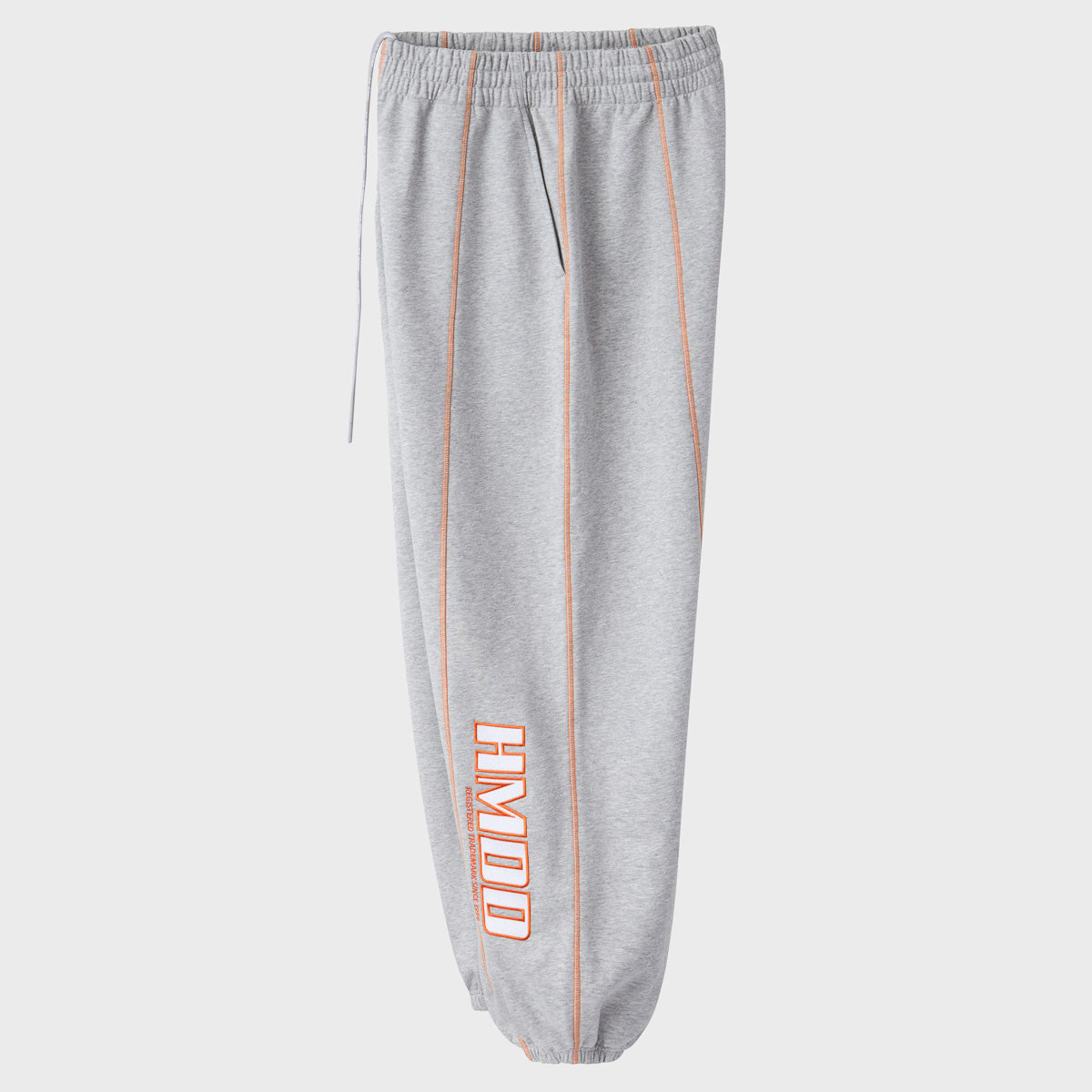
Unlike shorts, sweatpants are made for an entirely separate function. They’re designed around warmth retention, all-day comfort, and a looser cut that comes across as more „lifestyle” than „activewear.” HMDD sweatpants typically feature a tapered or straight leg with an elastic waist, and the material thickness runs denser — frequently a brushed fleece that traps heat effectively during the chillier season.
Because of this, sweatpants suit people whose days are spent seated rather than in motion: people working from home, students in lecture halls, or anyone needing dependable wear for cold starts and late nights. What you sacrifice is airflow. Sweatpants can’t match shorts when it comes to high-energy activity, so if your day includes running errands in 75-degree heat, they’ll become a liability rather than an asset.
Where sweatpants outperform shorts is in perceived value per wear. Given that they’re worn through a larger portion of the year climate-wise — consider October through March in moderate-climate areas — the cost-per-wear calculation often favors sweatpants even when the upfront price is higher. HMDD’s sweatpants also tend to carry more of the brand’s signature detailing, like embroidered lettering referencing happy memories don’t die, since the larger fabric surface area gives designers more room to work with.
Shorts vs. Sweatpants at a Glance
| Factor | The HMDD Shorts Line | HMDD Sweatpants |
|---|---|---|
| Season best suited | From spring into early autumn | Fall through winter |
| Material thickness | A light cotton-blend fabric | Midweight to heavyweight fleece blend |
| Typical use case | Movement-heavy days, warm errands, workouts | Relaxing at home, remote work, chilly commutes |
| Layering potential | High — pairs under longer outerwear | Fair — adds bulk under snug layers |
| Branding visibility | More compact branding spots | Greater fabric space for embroidery or print |
| Cost-per-wear in a standard climate | Used less often, tied to season | Worn more often through the colder stretch |
Pairing the Piece with Your Daily Routine
Should your routine revolve around motion — commuting on foot, working out, or logging hours outdoors — shorts prove the more sensible choice. They cut down on trapped heat while giving you greater freedom of movement, which counts for more than most anticipate once they’ve trained in bottoms that hold them back. By contrast, if your lifestyle skews toward stationary comfort, whether that’s handling remote work from home or filling weekends with at-home errands, sweatpants provide the more dependable return.
Climate is the other deciding factor, and it’s often underestimated. Someone living somewhere with mild winters might get away with wearing HMDD shorts nine months out of twelve, while someone in a colder region might reach for sweatpants five days a week from November onward. This is why many repeat customers researching HMDDLA and the wider HMDD clothing catalog end up owning both — not as a redundant purchase, but as a seasonal rotation strategy that keeps their wardrobe functional year-round.
Physique and personal ease preferences as well come into play that’s easy to overlook. Shorts, by nature, expose more leg contour and length, something certain buyers like and certain buyers skip. Even as fashion cycles shift dramatically year to year, sweatpants have remained a wardrobe staple, largely because their relaxed hang tends to be more forgiving across a broader spectrum of body shapes.
Toughness and Care Tips
Both pieces tolerate well the usual cold-wash, low-heat-dry regimen, but their durability differs.
Because of more rubbing during wear and repeated laundering, shorts in lighter cotton fabric can develop visible wear more quickly at the seams near the hem and pockets when put through frequent wear in the hottest part of the year.
Sweatpants, with their heavier fleece construction, tend to hold their shape longer but are more likely to pill on the inner-thigh region if dried in the machine again and again on a high-heat setting.
For anyone serious about extending the life of either piece, air-drying is the more reliable method, even though it takes longer. This is a small detail that rarely comes up in a typical HMDD review, but it makes a measurable difference over a 12-month ownership period. Rotating between two or three pairs of whichever product you buy more of also reduces the wash frequency per item, which slows fabric breakdown considerably.
Our Bottom Line: Which Option Wins the First Purchase
A universal answer doesn’t exist, yet a sensible method for deciding does exist. If you’re building a capsule wardrobe from scratch and can only afford one category right now, base the decision on the current season and your day-to-day activity level rather than aesthetic preference alone. Someone shopping in March or April will get more immediate use out of shorts, while someone browsing in October is better served by sweatpants.
If you’ve already explored HMDD clothing and want to grow your collection, getting one of each shapes a fuller all-season rotation instead of leaving a seasonal hole. The brand’s consistent sizing and fabric quality across both categories means the decision comes down to function, not risk. Whichever you choose first, both products reflect the same underlying philosophy the brand was built on — comfort, longevity, and clothing that’s meant to be lived in, not just looked at.
AMBREIAJ.MD
MAGAZIN DE PIESE AUTO

Copyright 2026
